Heard · 15 · 29.05.26
The folder Fred opened.
// Coda Photos · 5 min read
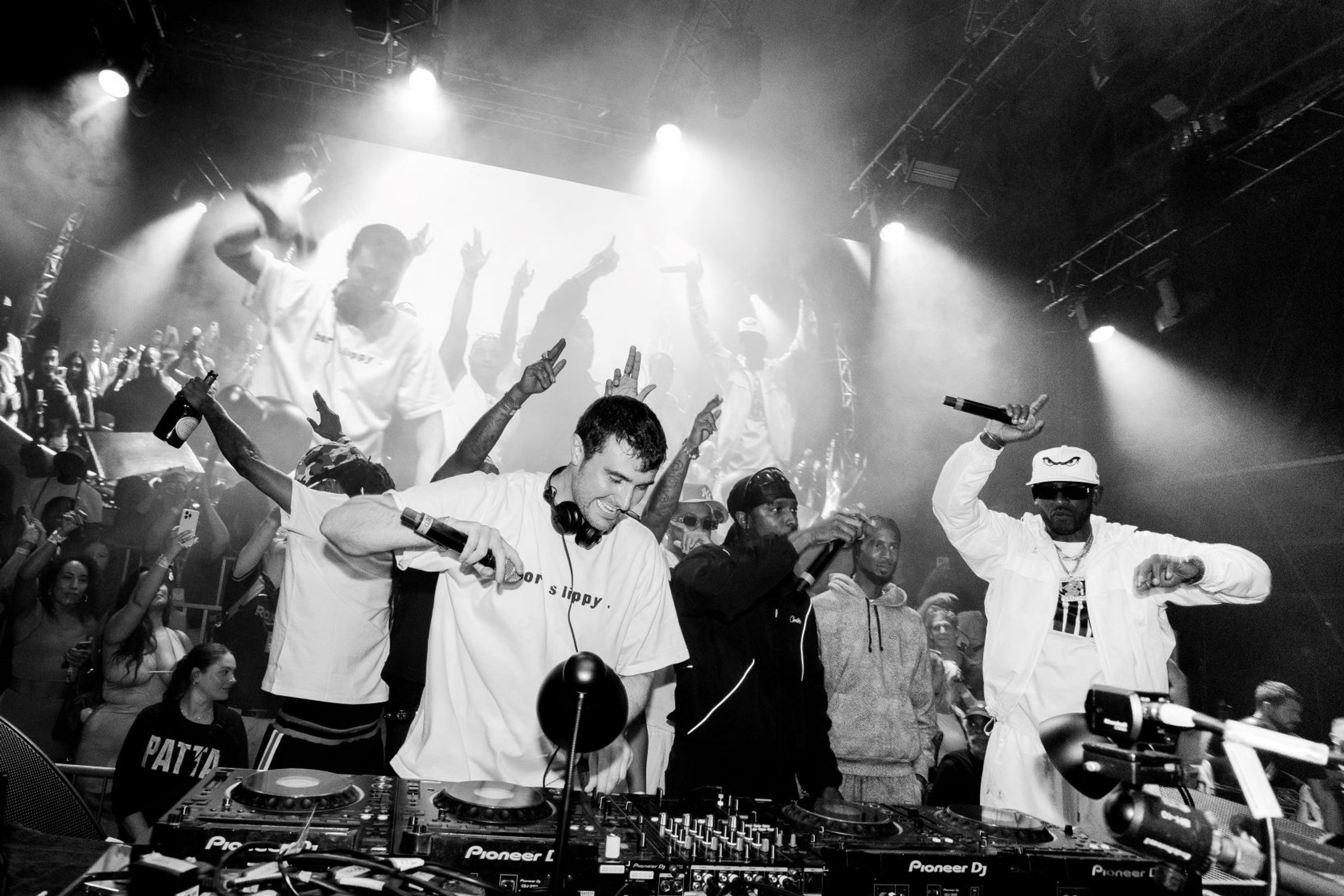
On Fred again…'s USB002 drop, the phone-free mechanic that fed it, and what working music photographers might want to copy.
On 27 April 2026, Fred again… and Dropbox published the working folder behind the USB002 tour. Not a press kit, not a downloadable single, not a selection of polished assets. The actual Dropbox folder his creative team used while building the tour, opened to the public. Original flag designs from the era. Show posters. Vinyl artwork and templates. Release art including unused options. The ambient show creative folder. Unseen images from each show. Visual stems from the slo-mo visualizers.
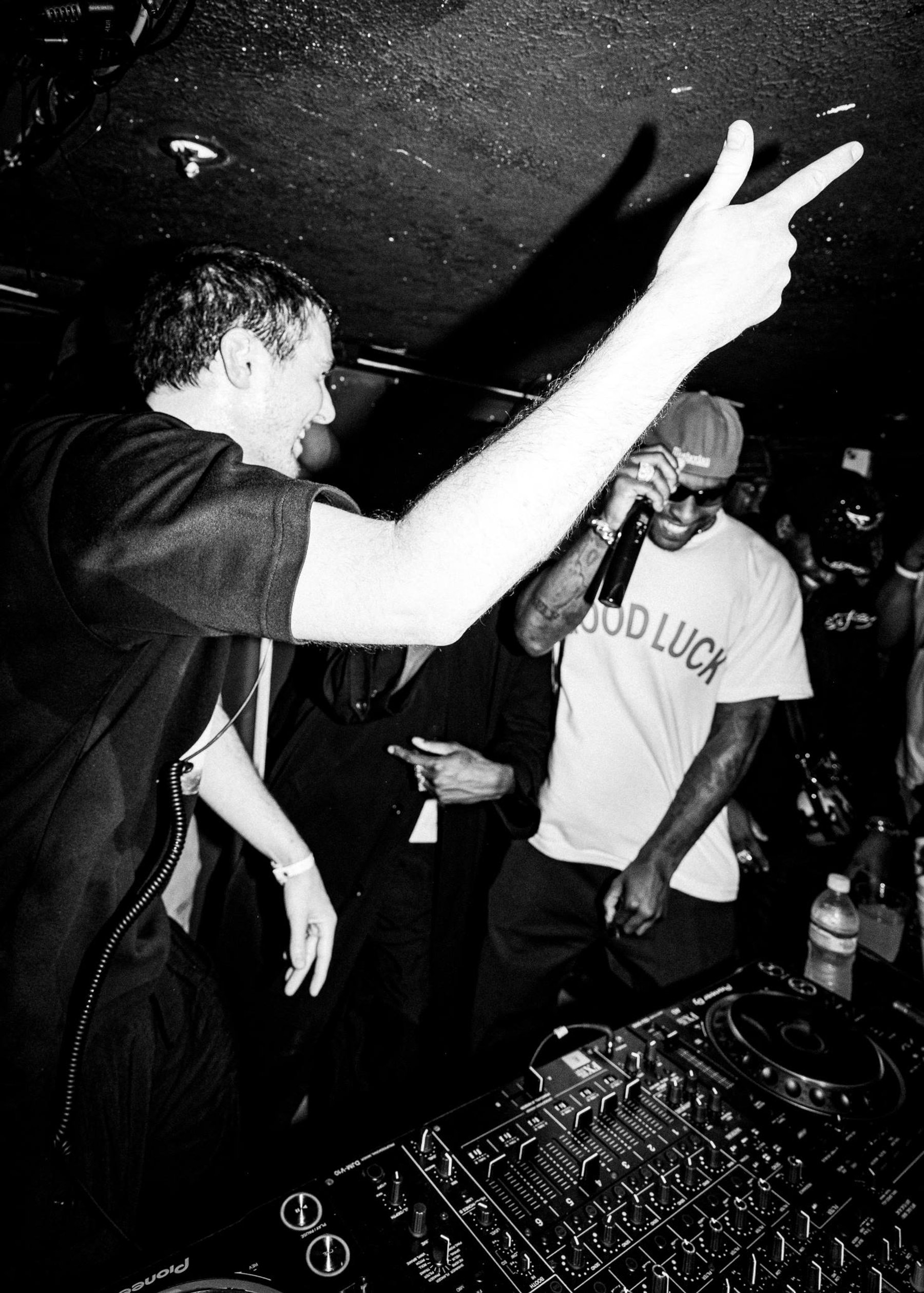
You can download them. You can edit them. You can use them however you want. No permission needed.
We are with him on the mentality. Music photography has its own version of the same conversation, and seeing it cut this cleanly in someone else’s corner of the industry is the kind of thing you write down.
What he actually did
A short recap of the mechanic, because the assets are the visible half of a more interesting decision.
The USB002 tour ran 21 shows between 3 October 2025 and 27 February 2026. From the first night, Fred asked attendees to put their phones away. In return, his team promised to deliver the photos and videos from the room, through a Dropbox folder shared with the people who had been at the show. The phones-down ask is not new. The promise on the other side of it is.
When the tour ended, the folder system stayed. It expanded into the public archive Dropbox published in April. Working files, working photos, working visuals. The 108-hour continuous YouTube mix of every set went up the same week. The album USB002 REMIXES landed in the same window. Three drops on the same logic, with the same target audience. Not press, not playlist editors, not labels. The crowd that was in each room.
Why we are running it
It would be easy to write this piece as a flag-wave. Fred opened the folder. Good for Fred. The bigger story is that he did it in an industry that does not normally do this, and he did it by lining up a chain of decisions that any working artist or team could copy.
The decisions on Fred’s side of the room are easy to name. Working files in a public folder instead of a private one. Tour photo archive shared with the crowd that was there instead of owned by management. Visual stems any editor can download tonight instead of behind a press request. None of these moves require an iconic producer or a Dropbox partnership. They require a decision.
Looking back from the pit
Read the mechanic again and there is something underneath it that is specifically interesting for working music photographers.
Fred made his team the official photographers of his own audience. When the room went phone-free at Alexandra Palace, the only authoritative images of those four nights came from the official team’s cameras. The audience did not lose their photographs. They got better ones, made by people who were paid to be there, with the access and the gear to make pictures the crowd could not have made themselves.
From the pit you obviously also see what is going on in the crowd. You see so many faces in front of the stage, and on some nights what you see most clearly is how many of them are hidden behind a phone. These should be the nights you put the phone away. The Fred again… mechanic is generous about that. You get the memory anyway. The price is not your phone time during the song. The reward is being all the way there.
It is also, quietly, a model for how the trade between artist and photographer can look. The artist asks for the room’s attention. The team brings back the photographs. The audience gets the work, made by people who were paid to make it, with the access to make it well. Nobody loses, except the assumption that the only way to remember a show is the version you record on your own phone.
The folder is still up
At time of writing the Dropbox folder is still live, five weeks after the drop. We do not know how long that lasts. Either the folder stays up indefinitely and becomes the working reference for every open-archive conversation in dance music for the next five years, or it comes down at some point and turns into the most cited “while it was up” example of the year. Both are useful.
Open it. Look inside. Decide what you would do with files you did not have to ask for.
---
Links: the folder at bit.ly/4eGvDvm. Dropbox announcement, 27 April 2026. Photography credits across the campaign: Theo Batterham. Campaign by Burson.
The Front Row